Blog
I Finally Have a Word for How I Feel About AI: Apocaloptimist
I watched a documentary on a plane and it handed me the word I had been fumbling toward for two years. An apocaloptimist takes the catastrophic risk of AI completely seriously and refuses to be paralyzed by it. Why it is the only useful posture for leaders, and the two cop-outs to avoid.
I watched a documentary on a plane last week and it handed me a word I have been fumbling toward for two years. The film is called The AI Doc: Or How I Became an Apocaloptimist. The word is apocaloptimist, and it is the most honest thing anyone has said to me about AI in a long time.
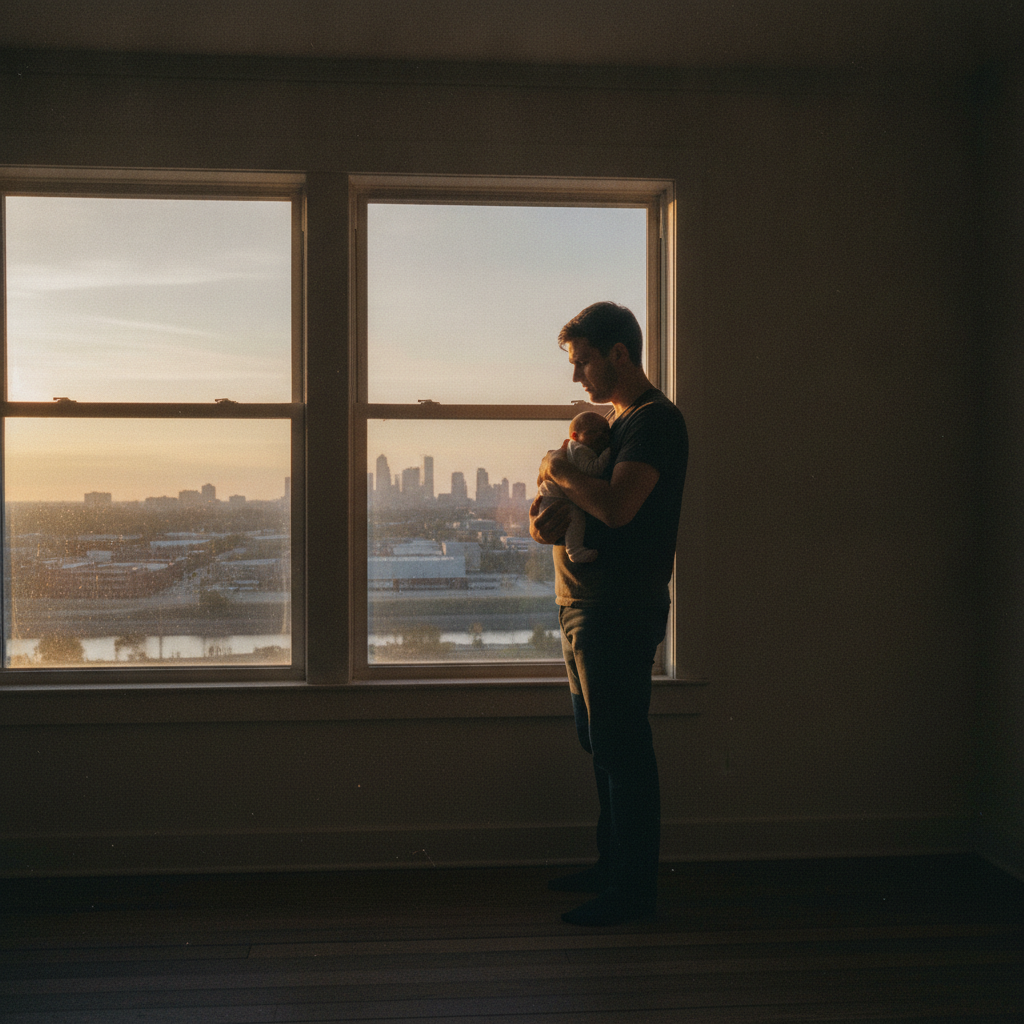
The film is by Daniel Roher, who made Navalny, with Charlie Tyrell, and it is produced by the team behind Everything Everywhere All at Once. The setup is simple and disarming. Roher finds out he is about to become a father, and he gets scared about the world his kid is going to inherit. So he does what a documentary maker does. He goes and asks everyone.
Everyone, and I mean everyone
He interviews more than forty people, and the casting is the whole point. Sam Altman and Dario Amodei and Demis Hassabis, the people building the thing. Eliezer Yudkowsky and Connor Leahy and Yoshua Bengio, the people who think it might kill us. Timnit Gebru and Emily Bender and Karen Hao, the people who think the real damage is quieter and already here. Guillaume Verdon and Peter Diamandis, the people who think we are about to walk into paradise if we would just get out of the way.
Nobody in that lineup is a crank. They are all serious, and a lot of them flatly contradict each other, and the film does not rescue you from that. It just sits you down in the middle of it. You leave without a tidy answer, which is exactly the experience of actually paying attention to this field.
The word
Here is what Roher lands on, and what I have not stopped thinking about since. An apocaloptimist is someone who takes the catastrophic risk completely seriously and refuses to be paralyzed by it. You hold both. The odds of this going badly are real and not small. And the only useful response is to roll up your sleeves and try to steer it toward the good outcome anyway.
That is not a compromise between the doomers and the optimists. It is a posture you adopt on purpose because the other two available postures are useless.
The two cop-outs
I see leaders default to one of two positions, and both are a way of not having to do anything.
The first is denial. It is all hype, the models are just fancy autocomplete, this will blow over like crypto did. This is comfortable because it means you can keep doing exactly what you were doing. It is also wrong, and the people saying it in 2026 are going to feel the way the people who dismissed the internet in 1998 feel now.
The second is doom. We are cooked, the machines win, nothing I do matters. This one feels sophisticated because it sounds like you have thought hard about it. But it lands in the same place as denial. If nothing matters, you are off the hook. You get to feel smart and do nothing.
Apocaloptimism is the only one of the three that comes with a to-do list. That is why I think it is the right one, and it has nothing to do with being a positive person. It is the only stance that treats the future as something you have a hand in.
Why this is a leadership posture, not a vibe
I run fractional executive engagements, and this is the conversation underneath most of them. A board wants me to tell them whether AI is salvation or catastrophe so they can file it and move on. The honest answer is that both are genuinely on the table, and which one your company walks into is partly up to the choices you make this year.
That is uncomfortable, because it means you do not get to outsource the outcome to fate or to the labs. You have to make decisions while holding real uncertainty, which is the actual job of leadership and always has been. The apocaloptimist does not know how it ends. They just refuse to sit it out.
What to do this week
- Notice which cop-out is yours. Denial or doom. Everyone leans one way. Name yours, because it is quietly shaping every AI decision you make or avoid.
- Write down the good outcome you are actually working toward. Not a vague better future. A specific one for your company and your people. You cannot steer toward a place you have not named.
- Do one concrete thing that assumes you have a say. Ship a small AI project, set one real guardrail, have one honest conversation with your team about what changes. Action is the whole difference between the postures.
- Watch the film. Under two hours, and it will do more for your thinking than a stack of think pieces. Bring someone who disagrees with you.
The part that got me
The reason the new-baby framing works is that you cannot be a nihilist with a kid in the room. A child is a bet on the future by definition. The moment Roher has to look at his, the doom posture stops being available, and the only move left is to try.
I think that is true whether or not there is a baby involved. Somewhere downstream of the choices you are making right now, there are people who will live in the world those choices build. That is reason enough to be an apocaloptimist. Take the risk seriously. Then go build the good version anyway.
The AI Doc: Or How I Became an Apocaloptimist is directed by Daniel Roher and Charlie Tyrell, from Focus Features. It is streaming on Peacock and available to rent or buy on Apple TV, Prime Video, and elsewhere (check where to watch). Go watch it.
Some links above are affiliate links. As an Amazon Associate I earn from qualifying purchases.