Blog
The Future Is Outside
Everyone assumes AI pulls us deeper into the screen. I think it does the opposite. For two hundred years our own capacity was the ceiling on what one person could do, and AI just moved the wall. The scarce thing now is everything a screen cannot give you: presence, taste, and real experience.

Everyone assumes AI is going to pull us further into the screen. More tabs, more tools, more hours hunched over a glowing rectangle. I think it does the opposite. I think AI is going to send us back outside.
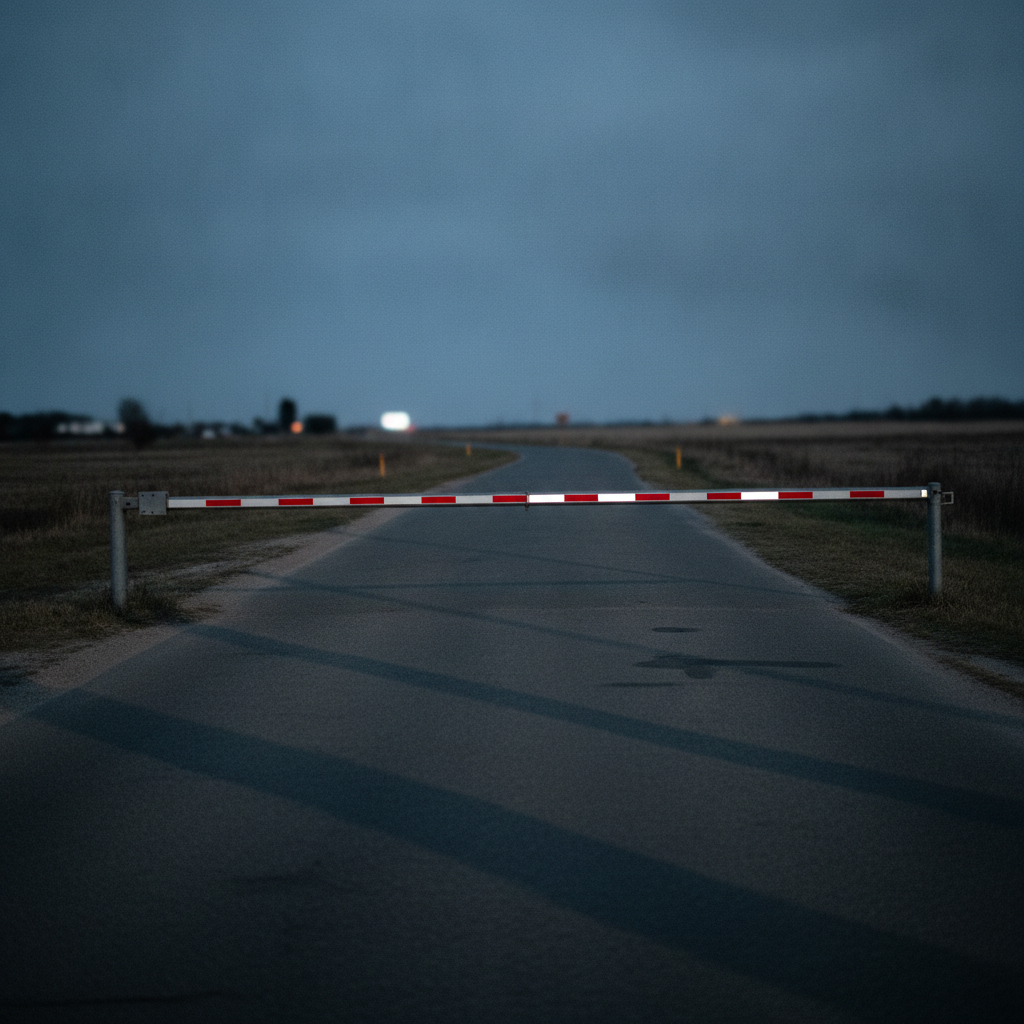
Here is the shift almost nobody is naming. For most of human history, the ceiling on what one person could accomplish was that person. Your hours. Your energy. How much you could hold in your head at once. We got more done the only way we knew how, which was to grind harder and sleep less. Our own capacity was the wall, and we kept running into it.
AI just moved the wall.
The bottleneck was never your effort
We have been solving the wrong problem for two hundred years. We built tools that made the grind faster: the spreadsheet, the search bar, the email client. Every one of them let you do more work. None of them gave you the thing underneath, which was time and attention back at the top of your life.
That is what changed. When a machine can do the eight hours of drafting, sorting, and summarizing that used to eat your day, the scarce resource is no longer output. Output is now cheap and getting cheaper. What is suddenly rare is everything a screen cannot give you: judgment, taste, presence, and the kind of knowing that only comes from having actually done the thing.
You cannot download a morning on the trail before the fog burns off the valley. You cannot prompt your way to a meal you actually cooked, a country you actually walked through, or a hard deal closed across a real table. Those are capacity of a different kind, and it is the only capacity that is going up in value.
What I am watching happen in the room
I do fractional executive work, and the pattern is already showing up on calls. AI hands a leadership team back real hours. Reporting that took a day takes an hour. The first draft of anything is free now.
Then comes the fork. Some leaders take those hours and pour them into more screen. More dashboards to stare at, more meetings, more busywork dressed up as progress. They filled the new space with the same old grind, and they are exhausted in a fresh way.
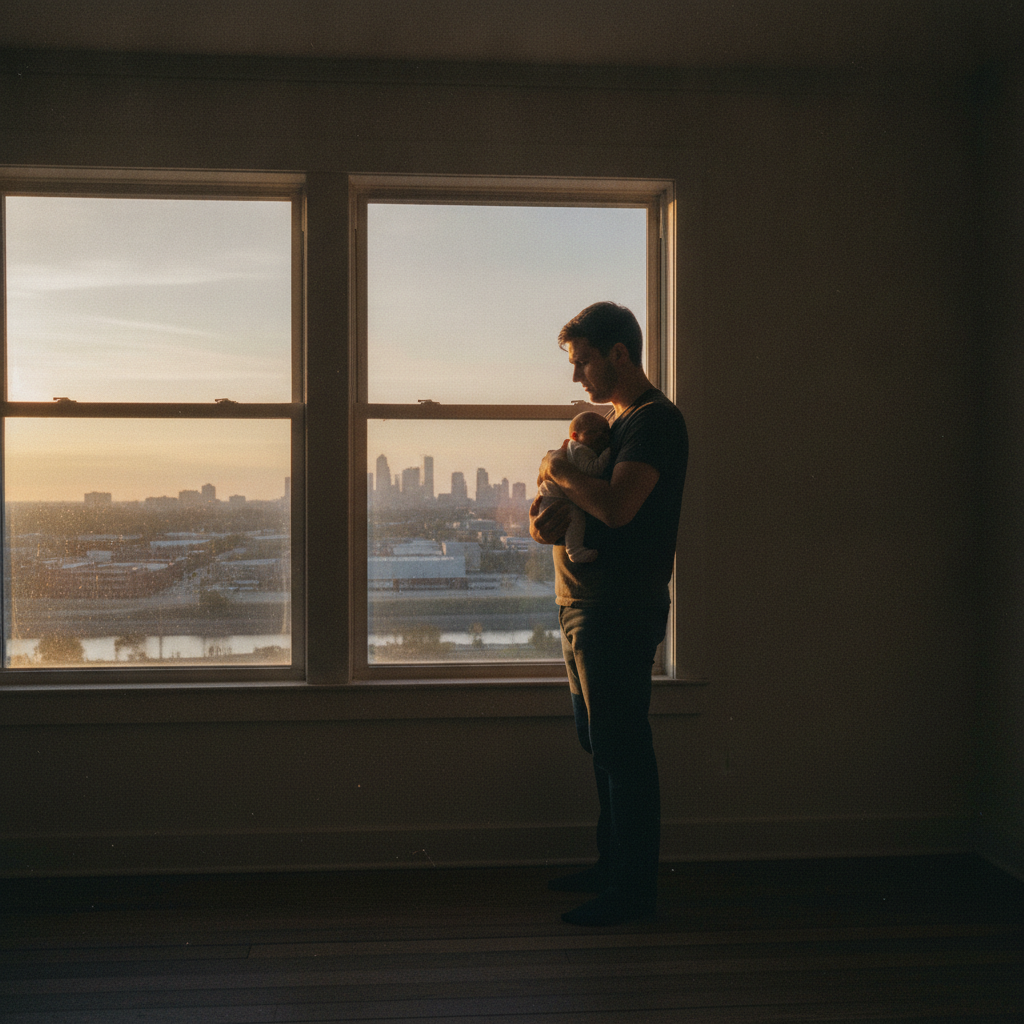
The ones I would bet on do the opposite. They take the hours back and spend them on the things a machine will never do for them. They think. They walk. They sit across a table from a customer and actually listen. They go home while it is still light out. Their work gets better, not worse, because the best strategic thinking has never once happened while staring at a spreadsheet.
The real thing is about to get expensive
Watch where value is already moving. As the feed fills up with generated images, generated writing, and generated everything, the real thing gets more precious, not less. A live show. A meal someone actually cooked. A trip you actually took. A skill you earned with your hands over years.
We are heading into a world where anything that can be faked will be cheap, and anything that cannot be faked will be worth a fortune. Being there. Having done it. Knowing something in your body instead of your browser history. That is the experience economy, and AI is the thing that is about to pour gasoline on it.
Travel is the clearest case, and it is the one I keep coming back to. Mark Twain said it better than anyone:
Travel is fatal to prejudice, bigotry, and narrow-mindedness.
You do not get that from a feed. You get it by standing somewhere you have never been, eating something you cannot pronounce, and finding out how small your own corner of the world really is. No model hands you that. You have to go and see it for yourself.
The people who understand this are going to look strange for a while. They will be the ones spending less time online while everyone else races to automate one more corner of their day. Give it a few years. Being outside, being present, and being genuinely good at a real thing are going to be the ultimate status symbols, because they will be the only things left that money and a prompt cannot manufacture.
What to do this week
- Count the hours AI actually gave you back. Be honest. If the answer is zero, you are using it wrong, and that is a different post.
- Spend one of those hours outside, on purpose. No podcast, no phone in your hand. Just the hour. Notice how hard that is. That difficulty is the whole point.
- Pick one real-world skill and put ten hours into it this month. A trail, a recipe you cook from scratch, a craft, a language spoken out loud with a person. Something a model cannot do for you.
- Audit where your reclaimed time is going. If AI freed up your morning and you filled it with more screen, you traded one cage for a nicer one.
The unlock
We spent all of history assuming the limit was our willingness to work. It was never that. The limit was capacity, and we finally have a tool that lifts it.
The mistake would be to spend that gift buying more of exactly what made us tired. The opportunity is to spend it on the part of being alive that no machine can touch. AI is not here to make you more productive at a desk. At its best, it is here to get you off the desk entirely.
The future is not a better screen. The future is outside. Go stand in it.